


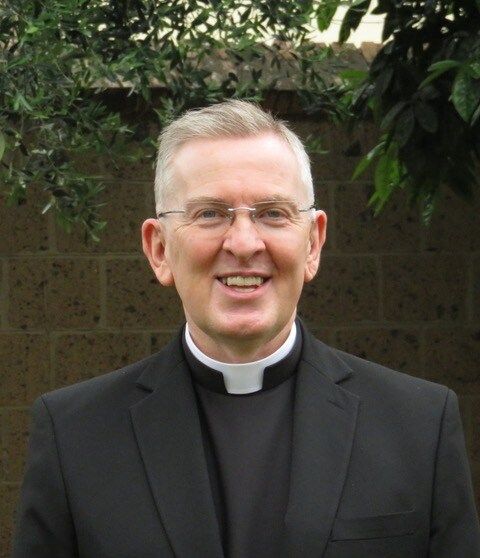
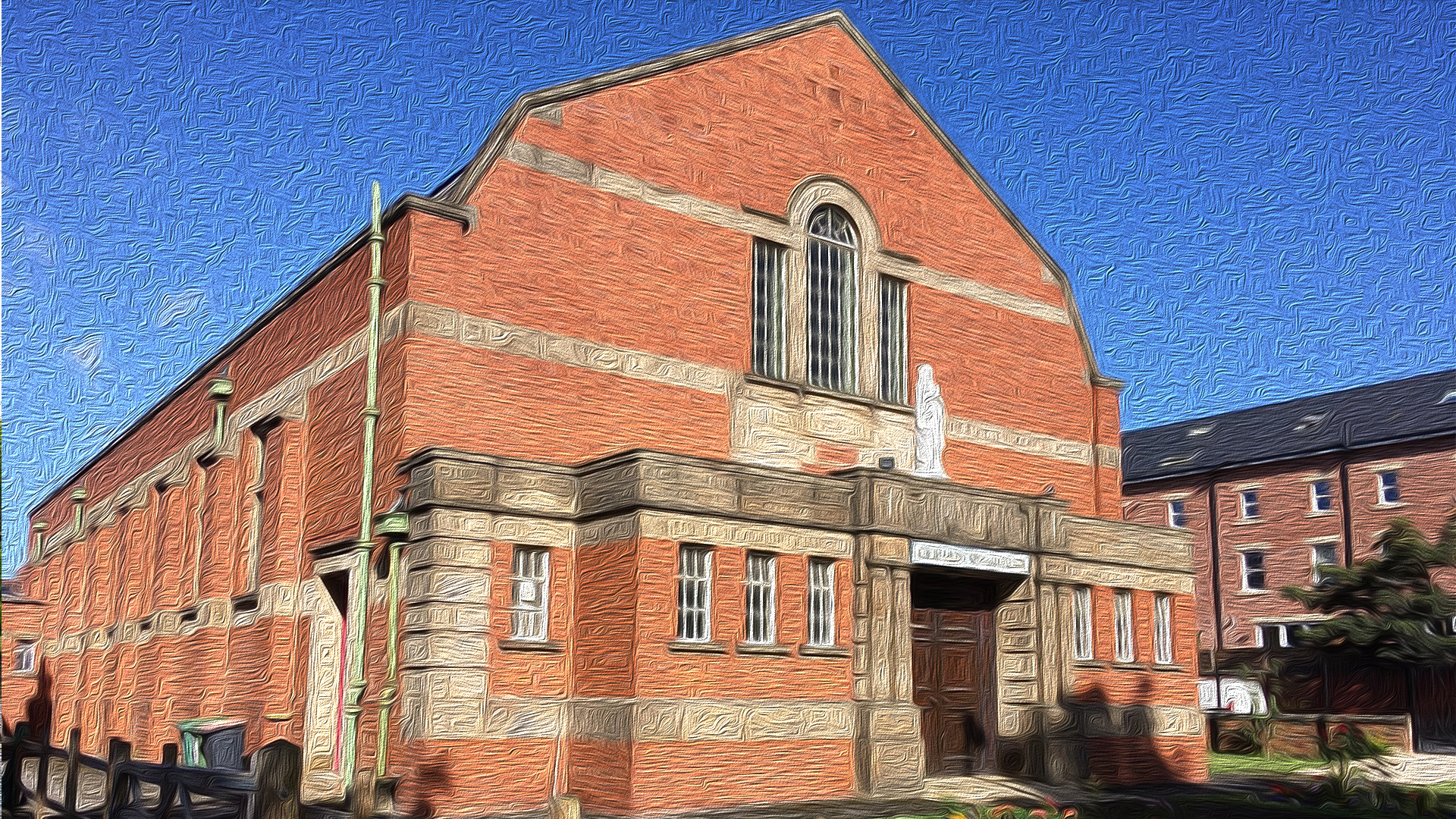
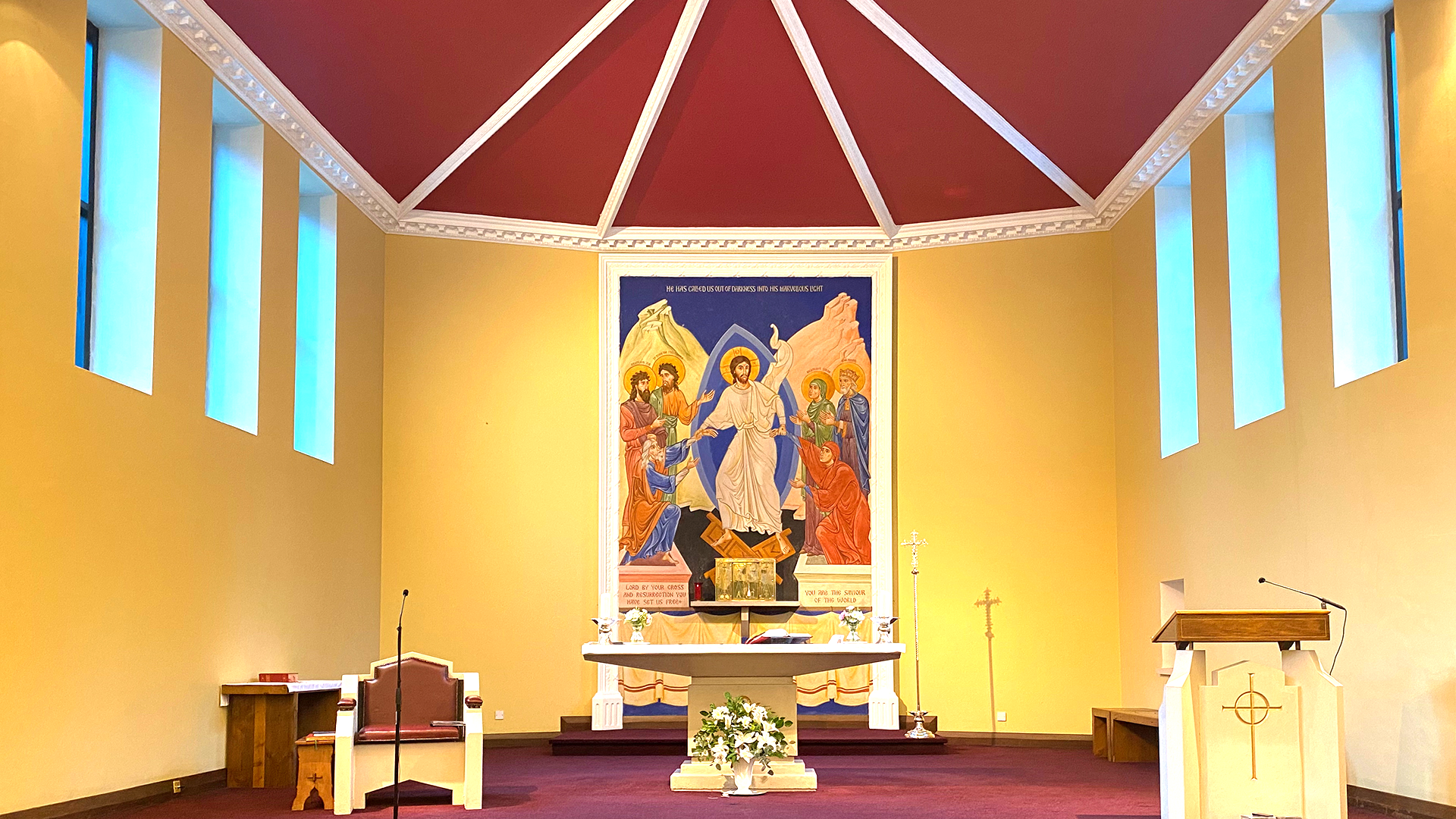
Some of you will be aware that the wonderful Ukrainian Orthodox community use Our Lady of Lourdes for their Divine Liturgy when their priest, Father Vladislav, is in the country. I have had a request from Fr Vladislav as to whether there is anyone in the parish willing to sponsor someone to come pro tem to the UK. My understanding is that sponsorship does not involve the person living with the sponsor. If you are interested in helping with this please let me know. Thank you. Fr Chris
IT IS GOOD TO BE BACK : I got back from Rome on Friday after two weeks away. There were some surprises when I was there. Obviously the Holy Father, Pope Leo, had his operation and I was of the view that there would not be an opportunity to see him, but remarkably he came to the window on the Apostolic Palace on the Sunday to address the crowd, recite the Angelus, and to give his Apostolic Blessing, the crowd was large as we were all moved to see our beloved Holy Father. My second week was with Bishop Marcus and recently ordained clergy (5 years or below). It was a mixture of time together, spiritual talks, and short pilgrimages. To everyone’s surprise we learnt that the Wednesday Papal Audience was going ahead and we had an early start to be in Rome to be there. Again, despite some very rainy weather, the Square was full of people wanting to see and greet the Holy Father. Both the Angelus and the Audience illustrated the universality of our Catholic community, our fellowship with each other in faith, also our loyalty to God’s Church and the office of the Pope. Another surprise was an opportunity to go into the Apostolic Palace (a first for me) to have an informal meeting the Archbishop Paul Gallagher, a priest of the Archdiocese of Liverpool, who is the Foreign Secretary of the Holy See. So, it was an eventful time, but as always, I celebrated the Mass and prayed for intentions every day. Also, as I normally do when in Rome, I brought back prayer cards at the back of the church which has Pope Leo’s Apostolic Blessing.
Preparation for the Sacrament of Confirmation happens in year 6 in our schools. This is now underway. I need to know of children in year 6, or older, who are not in our schools who need the sacrament. I intend to get preparation sessions underway as soon as possible. Confirmations are likely to take place after the new year. If you have a child or young person who needs this sacrament, and who are not in our schools, please email the parish office as soon as possible. Thank you. Fr Chris
ALTAR SERVERS NEEDED AT BOTH OUR CHURCHES: Boys and girls, and older young people too, who have made their first communion can become altar servers . It is a great way of understanding more about the sacrifice of the Mass and what the priest and deacon does. I have noticed a number of young regular Mass goers who could join me on the altar! Fr Chris
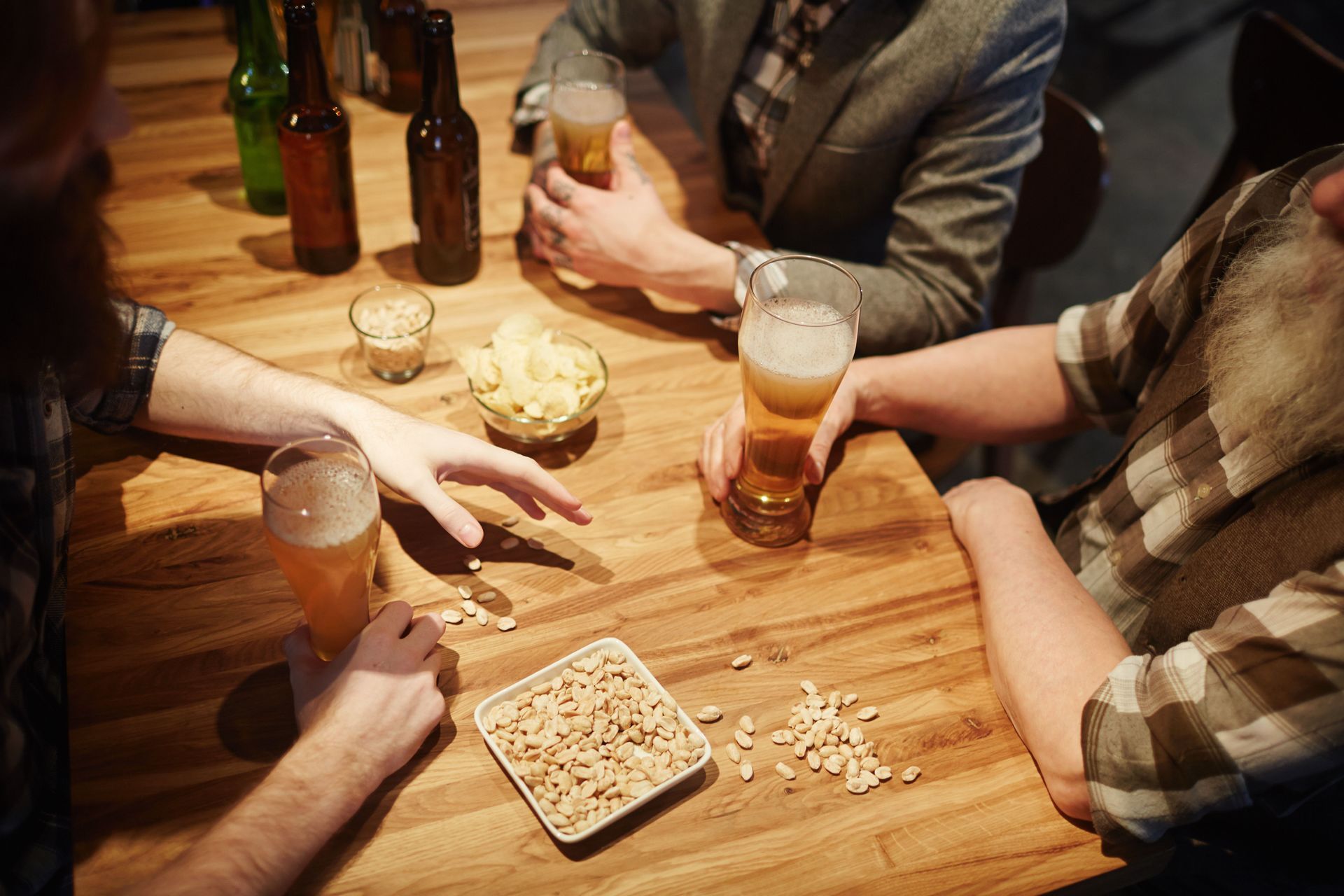
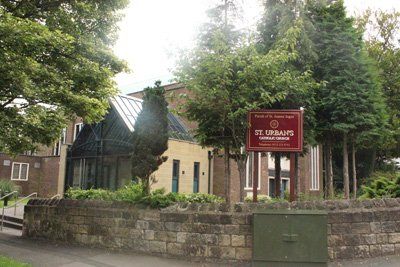
RESUMING OUR PARISH SOCIAL: after a break in which we were delighted to welcome Sarah and Joachim’s new baby, we are resuming our parish social evening just in time for these cooler, darker evenings! These will be the first Tuesday of the month after the evening Mass at St Urban’s church meeting at the Meanwood Tavern on the junction of Monkbridge Road. No agendas just a social drink for an hour or so after Mass. Everybody’s Welcome!”
TIME AWAY: I am away on a week’s leave with effect from the 12th of October, then I am away with Bishop Marcus for a further week. I return for the Sunday Masses commencing on the 24th . Sunday Masses will take place as normal, and I am very grateful to Fr Maurice Pearce covering my time away. However, I am sorry to say that there will be no weekday Masses in the parish when I am away. My week’s leave is in Rome and obviously I will be keeping up with my daily prayers which, every day, include your intentions, I will also be celebrating the Mass. If you have any specific intentions, as always, please do let me have them. Fr Chris
Preparation for the Sacrament of Confirmation happens in year 6 in our schools. This is now underway. I need to know of children in year 6, or older, who are not in our schools who need the sacrament. I intend to get preparation sessions underway as soon as possible. Confirmations are likely to take place after the new year. If you have a child or young person who needs this sacrament, and who are not in our schools, please email the parish office as soon as possible. Thank you. Fr Chris

CAFOD FAMILY FAST DAY is on Friday 2 October. It is a day when we are invited to pray, eat simply and give generously. Giving to CAFOD puts our faith into action and enables us share God’s love with our neighbours overseas helping communities support children to stay in school with better access to water, nourishing school meals, and gardens where food can be grown, even during times of drought. Please collect a CAFOD envelope as you leave church.
Tuesday 13 October 2026, 10am1:30pm, Cathedral Hall, Leeds. This event, hosted by Growing Old Grace-fully will explore Catholic Social Teaching regarding the blessings of later life, led by theologian Dr Peter Kevern. To book a place, please email growing.old.gracefully@dioceseofleeds.org.uk
It is time to refresh our November Dead List for 2026/27 . Masses are offered throughout the year from All Soul’s Day for our faithful departed. It is a beautiful custom. Envelops for the submission of names are available at the back of the church. With the names it is possible to include an offering for the cycle of Masses throughout the year.
RESUMING OUR PARISH SOCIAL: after a break in which we were delighted to welcome Sarah and Joachim’s new baby, we are resuming our parish social evening just in time for these cooler, darker evenings! These will be the first Tuesday of the month after the evening Mass at St Urban’s church meeting at the Meanwood Tavern on the junction of Monkbridge Road. No agendas just a social drink for an hour or so after Mass. Everybody’s Welcome!”
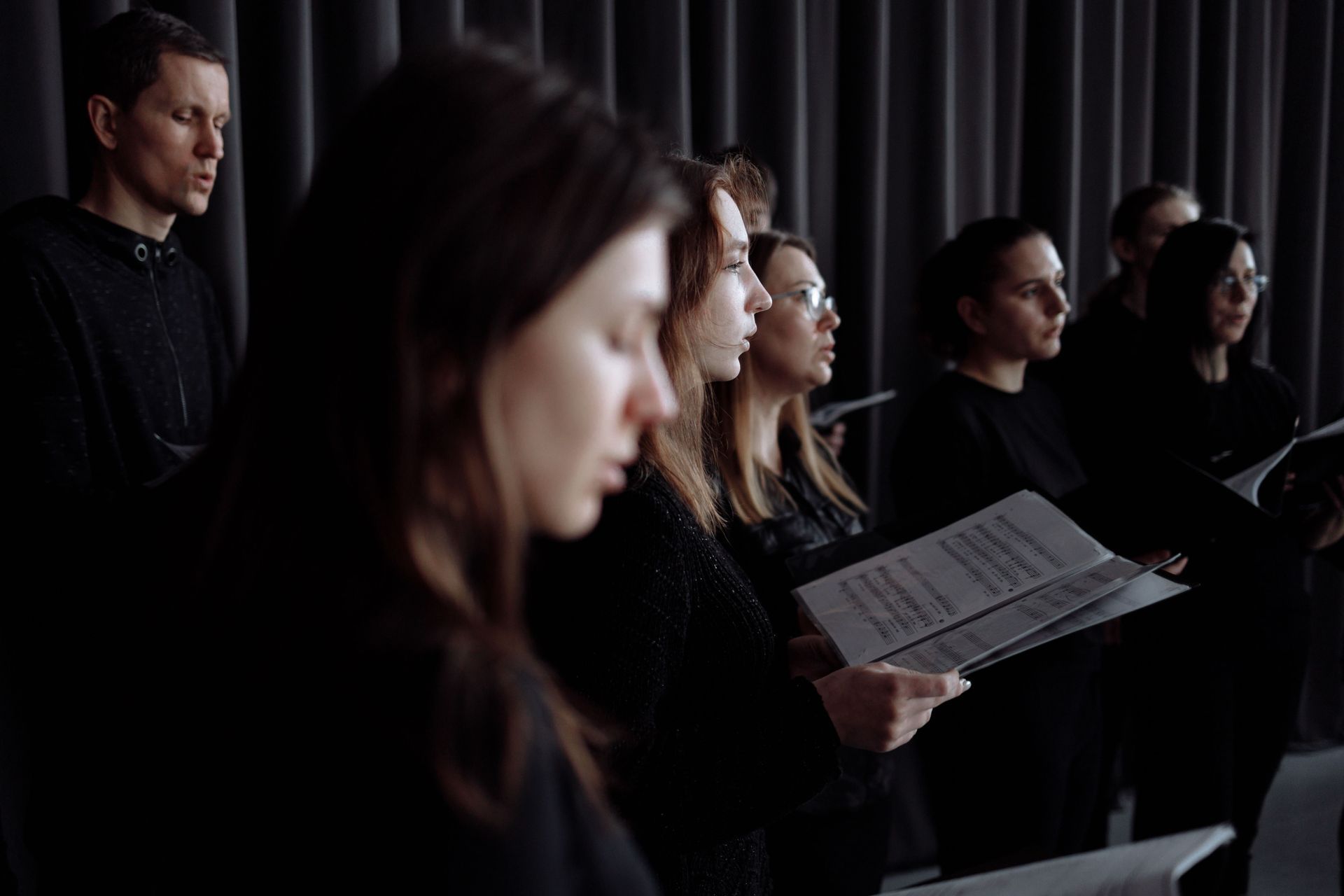
A sincere thank you to those who have expressed an interest in singing. I have discussed this with Jenny and Silvia. To get things moving, for those who have expressed an interest at St Urban’s, please come up to the choir loft for 10am on Sunday the 11th of October . Please be assured that information will be sent out in advance. It will be great to make a start and see where things go. Concerning volunteers for Our Lady of Lourdes, watch this space!
Dear Brothers and Sisters, In this Sunday's gospel Jesus tells us something important about love. Love; one of the great preoccupations of humanity. Love is a concept, a thought, an experience that we cannot seemingly do without. We are surrounded by love, or at least the word, which is something we attach to many things, even down to what we eat, what we drink, or the clothes we wear. Sometimes love is part of the deepest emotions of our heart and soul enmeshed into the very fibre of our being, but perhaps more often than not we use the term carelessly where it is something that proves to be shallow and meaningless. Have you ever taken a moment to think about what it means to you? Have you ever been in love? What is it? Have you ever taken time to think about it, to try to understand it? Many philosophers and theologians – those who study the science of thought and religion – have looked at this over centuries, to try to understand the meaning of such a tiny word which has an enormous impact. The late Pope Benedict in his encyclical "Deus Caritas Est" – “God is Love” – helps us. He describes love as having three elements – 3 Greek words. The first is termed “eros”, this concerns the fundamental attraction that one feels towards the other, perhaps looks first, perhaps then common interests, perhaps a common view of the world. In essence this is the most intense phase of love; intense but often it is relatively short lived and can be no more than superficial. The second building block is termed “philia”, where the initial attraction becomes a strong and enduring attachment, where those that love are in effect each other’s best friend, but it is deeper where there is always concern for the other’s feelings and welfare. The third element is “agape”. This is where love reaches its fullest form of maturity, it is the point in a relationship where one will give anything and everything for the other, including their lives. For example I have been is situations where a person would willingly give their own life in place of the one dying of illness. God is truly, madly and deeply in love you, with us. Heaven knows we let God down enough times throughout the history of humanity and in our personal history too. But God reaches out across history to embrace us in the fullest form of agape, coming to us in the person of Jesus, in His life, death and resurrection, to enable us to die to the poison of sin and to rise to a new and eternal life in an endless embrace of eternal joy where the shadows in our imperfect love here in this life simply vanishes forever to be replaced by something immeasurably beautiful and glorious. Love is always about a relationship, it is always about reciprocity – it’s a two-way street. What has brought you here today? Do you love God? How can you show that you do? It’s quite simple really “if you love me you will keep my commandments” – the core of this love is love of God and love of those around us. This is easy to say but hard to do; we are surrounded by influences that want to pull us towards ourselves, where we put ourselves in prime position, though we always experience that this is something that leaves us feeling unsettled, anxious, detached from what we feel our true selves to be; someone who created in the image and likeness of God – the image and likeness of love. But in the paschal mystery – the life, death, resurrection, and ascension into heaven of Jesus and the decent of the Holy Spirit – we are not left as orphans to struggle on alone. As Jesus is in the Father through the Holy Spirit, we too are one with all three persons of the Trinity through the sacraments. We are not alone, Jesus is always with us. If we stay close to Jesus we experience His love in our hearts and souls. In the love of Jesus we are always embraced too by the love of the Father; the Holy Spirit has been given to us. The victory of love over sin has been won for us by Jesus; it is up to us to make that victory our own. Please accept an assurance of my daily prayers for your needs and intentions. God bless and keep you always. Fr Chris
Dear Brothers and Sisters, For believers of all religions living in the world there are many dilemmas. One of these is living in the structures of society. In the Christian church the dynamic between church and state goes back as far as Christianity being adopted as the state religion of the later Roman Empire, this was not plan sailing and often this took the form of conflict between what the emperor saw as their legitimate authority and what priests and bishops saw as theirs. Sometimes, often, it played itself out in martyrdom and exile. For that matter Popes were not above humiliating secular rules when they got a chance too. In this country it culminated in a violent separation in the 16 th century, when the king at the time, Henry VIII, took full control of the church in England. Our King, Charles III, is still the Supreme Governor of the Church of England; part of his oath taken at his coronation is still to defend its position as a church and in society. Elsewhere, for example, Patriarch Kyrill of Moscow seems to be hand in glove with President Putin. What are we to make of this? All this points towards the near impossibility of church and state being too close to each other. Where this is attempted in any way compromises are made, either where the power of the state is concerned or where the power of the gospel is diluted. Though at different times, and in different places, with difficult and sometimes horrendous consequences, the separation of the Catholic church from state structures makes it a free agent of the good news, enabling it to be faithful to the liberation of our hearts, minds and souls offered by Jesus through his life, death, and resurrection. However, during his life on earth Jesus was also a pragmatist. In the fullness of his humanity he knew that there had to be an every day modus vivendi to make life possible. We see today how his enemies try to exploit this in this Sunday’s gospel. For them, though they tolerated Roman rule, their religion ultimately did not accept a secular ruler such as the emperor. There was one ruler – God alone. In the early days of their liberation from Egypt in fact they had no king, God himself was their King – the King – who travelled with them on their journey to the promised land. It was only later that they wanted a king to be like other nations. In a sense, in doing this, they rejected the Kingship of God. But the Jew’s dislike of the idea of a secular ruler continued in one form or another. The currency they preferred to use was not that of the Romans, because it had the graven image of the emperor on it with a claim that the emperor was “son of god”, but coins locally made. But this Sunday Jesus in a masterful way draws out the hypocrisy of their position by seemingly innocently asking for a coin. Though they publicly avoid Roman currency, surprise, surprise, one of his critics just so happens to have one on him. You can imagine the faces of the others who were there when their cover is blown! They seek to entrap Jesus whilst engaging in the same behaviour themselves. But Jesus makes a deeper point. Firstly, it is God who is truly sovereign, our primary duty is always to return to God what we belongs to him. We belong to God; our destiny is to return to him, to be fully and wholly united to him in the life of the Trinity. That is the first duty of our lives here on earth. It is something that should inform every thought, word and deed. Yes, we have a duty to be good citizens, Saint Paul and Saint Peter tell us this in their letters to us from the beginning of the Christian era. But we will encounter times when the state may make demands on our morals and ethics which cannot be squared with what society seems to demand of us. When we are faced with this, perhaps that familiar question is helpful, “what would Jesus do?”. Don’t be afraid to ask Jesus what to do, listen to His answer in your heart and respond. It may get you into trouble but will win you your life – eternal life. Please accept an assurance of my daily prayers for your needs and intentions. God bless and keep you always. Fr Chris
Dear Brothers and Sisters, Jesus often uses parables to offer illustrations of what God is like, the nature of God’s kingdom, and what it means to be a citizen of that kingdom. However, over the last two Sundays, Jesus has used parables to illustrate how to be “unlike” a citizen of the kingdom – the two sons, the tenants of the vineyard, and, this week, the parable of the wedding and it's guests. What is Jesus telling us by these three stories? The parables of Jesus are important to the writers of the Synoptic Gospels - Matthew, Mark and Luke. At times each writer repeat the same stories in their own accounts of Jesus’ teaching, though they differ in their points of detail. This is one such parable as a version of it is also found in St Luke’s gospel. What is the moral of the story? Primarily it is about taking up God’s invitation to eternal salvation, an invitation that is open to all. Our place, if we refuse will, be taken up by someone else. Banquets are lovely things; we have all been at different forms of banquets at different times in our lives. We hear in the reading from Isaiah this Sunday of the description of eternal life as a great and lavish party where the host is God Himself. The banquet in Sunday's gospel symbolises the blessing of God’s salvation, not a one-off time limited event, but something beautiful and eternal. At the time of Jesus, wedding guests would have received and accepted an invitation well ahead of the event and it was customary for the host to send a messenger around to announce that things were ready. So it seems that the guests in the parable have accepted the initial invitation but rejected the second. This would have been seen as a deep and wounding insult to the host. But in the parable the host is not just anyone, but a king. To refuse a king would have been seen at least as insubordination, perhaps treason. The important people of the king’s court are replaced by strangers. The strangers have no status to speak of, they are like us, ordinary people, a mixture of good and bad, light and dark, the virtuous and sinners. The invitation is to all, at this stage without exception of exclusion. Just as God calls everyone to a relation with him, everyone is invited. Well that sounds great but what about the incident in the story with the guest wearing the wrong wedding garment and being expelled? At the time of Jesus there was not a special garment as such but people were expected to do their best to look good for a special occasion, just as we do now. The point that Jesus is making is that God’s invitation to salvation is open to all, a free gift from him to us, universal, everyone is included but this invitation is not devoid of standards for how we live our lives. We need to make a commitment to change our clothing of weakness and sin, and do our best to put on clean clothing, permitting ourselves to be clothed in Christ. The wedding garment represents the love of God and each other - repentance; faith; belief; a change of heart and soul. Where are you up to with this? Where am I? In attending the sacrifice of the Mass we come to a banquet – the banquet of the Lamb of God. We are truly blessed as we are invited and have responded to the invitation of the supper of the Lamb. Reflecting on this for a moment, what does the wedding garment of your soul look like right here and now? We have been called but are we worthy to be chosen? Please accept an assurance of my daily prayers for your needs and intentions. I am away for the next two weeks in Rome, however please be assured of my prayers for you at the holy places. God bless and keep you always. Fr Chris
Pope Francis
If peoples are to remain brothers and sisters, prayer must rise unceasingly to Heaven, and one single word constantly echo on earth: peace.